Water Pressure Tank Repair
We repair potable-water pressure tanks for homes, checking tank size and connections; replacement commonly runs $800–$2,500, driven by tank size and installation access.
A softener that leaves scale on dishes or makes water feel hard may have a salt-bridge, control, or resin-bed problem. Alaska Plumbing Pros repairs home softeners across Alaska and helps restore dependable treated water.
Browse all service options available across Alaska and choose the right fit for your project.
We repair potable-water pressure tanks for homes, checking tank size and connections; replacement commonly runs $800–$2,500, driven by tank size and installation access.
Booster Pump Repair covers pump diagnostics and component fixes for homes with inconsistent supply; typical repairs run $300–$1,200, depending on parts and diagnostics.
Well Pump Repair covers pump testing and repairs for homes, with replacement costs of $1,200–$4,500 depending on pump depth and type.
We repair leaking water lines for homeowners and contractors, including accessible pipe sections and excavation; repairs commonly run $400–$3,000 depending on pipe access.
Frozen Pipe Repair for Alaska homes includes locating and safely thawing frozen pipe sections; access, pipe material, and any split line affect the job scope.
We repair residential pressure regulators, checking valve condition and system readings; access and regulator size shape the job, typically $150–$400.
We diagnose sudden household pressure drops, testing flowing and static readings and system controls. Typical diagnostic visits run $100–$300, depending on testing and travel.
We repair or replace household shutoff valves, including accessible copper and PEX connections; typical jobs run $150–$500 depending on access and valve condition.
Clear clogged residential water lines and inspect accessible pipe sections; typical jobs run $250–$1,500, with price driven by blockage and access.
We repair well pressure switches for homeowners, including switch and wiring access; typical replacement runs $200–$600, depending on access.
Goulds Well Pump Repair covers residential pump diagnosis and component repairs; access, pump depth, and parts availability shape the job cost.
Shallow Well Pump Repair covers pump, foot-valve, and check-valve faults for private-well homes; access, pump type, and well depth shape the job cost.
Sediment Filter Replacement clears packed grit from residential filter housings; typical cartridge jobs run $150–$450, depending on filter size and access.
Air-in-line diagnosis and repair for Alaska homes, including accessible water-line checks; typical service runs $150–$500, depending on access and repair scope.
Submersible pump repair for Alaska homes includes well-depth and pump checks; replacement work typically runs $1,200–$4,500, depending on depth and pump type.
Grundfos Booster Pump Repair in Alaska: diagnose pump faults, inspect controls, and repair components. Call (877) 773-0781 for a scope review.
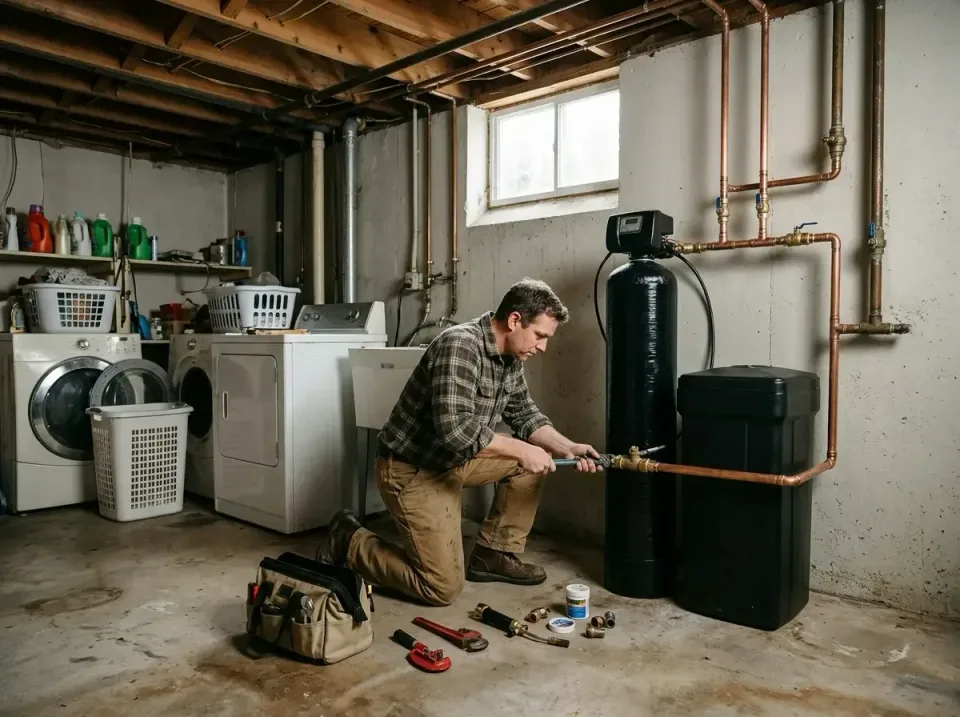
A softener can run through a regeneration cycle without removing hardness if its control settings, valve, or resin bed are not working as intended. We inspect the unit before recommending parts, and we explain whether a repair can address the actual fault.
Alaska’s long winters raise frozen-pipe and well-system risks, so we also look for exposure around the unit’s water connections. In North Slope communities, permafrost and severe cold can complicate water-system access; Western Alaska coastal storms may delay travel to some locations, so sharing access details helps us plan.
We’ll explain what we find and give you a repair scope suited to the equipment and site. For a review, call (877) 773-0781.
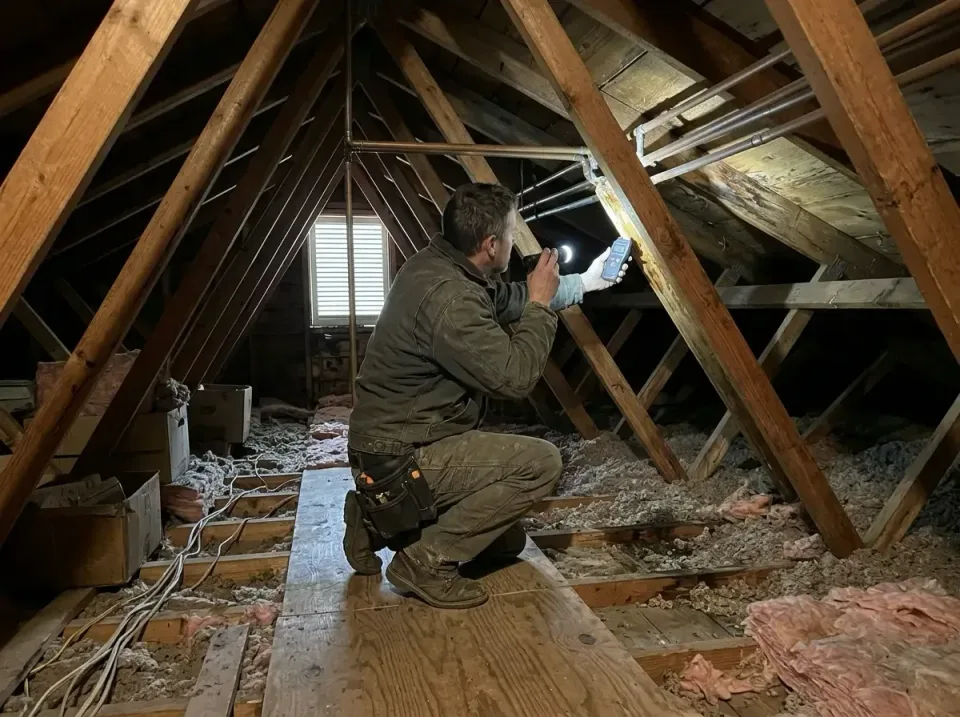
We begin by identifying the softener make, control type, and reported water change; a photo of the unit label can help us prepare for the visit. Then we inspect the bypass, brine tank, valve, and connections, checking for salt bridging, leaks, or a cycle that does not complete.
Next, we test the unit’s operation and explain which finding supports repair rather than replacement. A pressure gauge reading can differ between a closed-tap static check and water flowing through fixtures, so we note the conditions instead of treating one reading as the whole diagnosis. The softener’s location and service access affect the work plan; homes near the Anchorage 5th Avenue Mall may have different equipment access than properties near Homer Spit, where travel and site logistics matter.
We agree on the repair scope before work begins, complete the approved correction, and verify the unit’s operation. For background on our crew, visit Alaska Plumbing Pros.
A softener that keeps passing hard water can tempt a homeowner to add salt or reset controls repeatedly, but those steps do not fix a stuck valve or failed component. Near the Alaska Native Heritage Center, as elsewhere in the state, we check the cause before proposing parts.
Our crew tests the unit’s cycle and inspects its connections rather than assuming the resin bed is spent. We explain what can be repaired and what would require broader replacement, so the choice follows the findings.
Snowmelt can raise groundwater around basements; if a softener is installed in a damp lower level, we look for visible moisture and protect the work area before opening plumbing connections. Heavy snowfall can also block access to outdoor equipment, so clearing a safe path before a scheduled visit helps avoid delays.
Interior summers can bring warm days and cool nights, making indoor equipment access easier to plan than exposed lines. If you have already tried a reset, tell us what changed; that history helps narrow the diagnosis.
If a softener cycles but water still seems hard, the price starts with finding whether the fault is in the control, brine system, valve, or resin bed. A pressure-system diagnostic visit is $100–$300 when testing and travel are part of the work; that figure is not a blanket softener repair quote.
Parts, the unit’s size, installation access, and the time needed to confirm the fault all affect the final scope. A softener tucked behind stored items takes longer to reach than one with clear working space, and a control repair differs from work involving internal treatment components.
Along the Kenai River, a property’s equipment location and travel logistics may affect scheduling; Kodiak National Wildlife Refuge is another reminder that Alaska service access can differ widely by location. High winds can damage exposed plumbing components, so we also note visible outdoor exposure when it affects the repair plan.
Final quotes vary by repair scope, equipment, access, and site conditions. Contact Alaska Plumbing Pros at (877) 773-0781 for a job-specific review.
White scale on faucets or glass is a visible sign of mineral-rich water. If buildup returns soon after cleaning, the softener may not be reducing hardness effectively. Note where deposits appear and whether they are spreading to other fixtures.
Salt disappearing much faster than usual can signal a softener setting or component problem. Keep track of how often you refill the brine tank and whether the water still shows signs of hardness, so the technician has useful details.
A softener visit may involve inspection, diagnosis, adjustments, or component repair. Ask what the proposed scope covers and what would be discussed separately, so you know what work is planned before authorizing it.
Review how the work scope, any changes, and payment terms are documented. Ask how you approve additional work and what information you receive after the repair, so expectations are clear before the technician starts.
For Water Softener Repair in Alaska, call Alaska Plumbing Pros at (877) 773-0781 to review the equipment and site; Hatcher Pass access, Matanuska Glacier-area travel, and Worthington Glacier routes can affect planning.
Yes, Water Softener Repair can address a failed cycle control, brine draw problem, or valve fault when inspection confirms that cause. Tell us whether the unit completes its cycle and whether the bypass has been moved.
A clear photo of the softener label, control display, and surrounding connections helps us understand the equipment and access. Customers near the University of Alaska Fairbanks can include any seasonal access limits so we can plan the visit appropriately.
Permit needs depend on the alteration, so verify Anchorage plumbing permit requirements before work begins. The Alaska Plumbing Code sets applicable plumbing installation requirements, and the Municipality of Anchorage Development Services Department can clarify local requirements.
It can make sense when the softener fault and a separate pressure issue appear together, but testing should establish whether they share a cause. Near the Tony Knowles Coastal Trail, as elsewhere, report which fixtures change and whether the softener is in bypass.
Yes, Water Softener Repair may be arranged for remote equipment, but location, travel access, and parts needs shape scheduling. For properties near Prudhoe Bay or the Mendenhall Glacier Visitor Center, share the unit details and access conditions when requesting a scope review.
Select a city to find local low water pressure repair providers we cover in Alaska.