Water Pressure Tank Repair
We repair potable-water pressure tanks for homes, checking tank size and connections; replacement commonly runs $800–$2,500, driven by tank size and installation access.
A wet patch, soft ground, or a sudden drop in flow can point to a leaking water line; Alaska’s wide summer temperature swings can make seasonal line movement worth checking. Alaska Plumbing Pros handles water line leak repair across Alaska, including homes near the Ted Stevens Anchorage International Airport and University of Alaska Anchorage, where access and site conditions shape the work.
Browse all service options available across Alaska and choose the right fit for your project.
We repair potable-water pressure tanks for homes, checking tank size and connections; replacement commonly runs $800–$2,500, driven by tank size and installation access.
Booster Pump Repair covers pump diagnostics and component fixes for homes with inconsistent supply; typical repairs run $300–$1,200, depending on parts and diagnostics.
Well Pump Repair covers pump testing and repairs for homes, with replacement costs of $1,200–$4,500 depending on pump depth and type.
Frozen Pipe Repair for Alaska homes includes locating and safely thawing frozen pipe sections; access, pipe material, and any split line affect the job scope.
We repair residential pressure regulators, checking valve condition and system readings; access and regulator size shape the job, typically $150–$400.
We diagnose sudden household pressure drops, testing flowing and static readings and system controls. Typical diagnostic visits run $100–$300, depending on testing and travel.
We repair or replace household shutoff valves, including accessible copper and PEX connections; typical jobs run $150–$500 depending on access and valve condition.
Clear clogged residential water lines and inspect accessible pipe sections; typical jobs run $250–$1,500, with price driven by blockage and access.
We repair well pressure switches for homeowners, including switch and wiring access; typical replacement runs $200–$600, depending on access.
Goulds Well Pump Repair covers residential pump diagnosis and component repairs; access, pump depth, and parts availability shape the job cost.
We repair residential water softeners, including control and resin-bed issues; diagnostic work is $100–$300, depending on testing and travel.
Shallow Well Pump Repair covers pump, foot-valve, and check-valve faults for private-well homes; access, pump type, and well depth shape the job cost.
Sediment Filter Replacement clears packed grit from residential filter housings; typical cartridge jobs run $150–$450, depending on filter size and access.
Air-in-line diagnosis and repair for Alaska homes, including accessible water-line checks; typical service runs $150–$500, depending on access and repair scope.
Submersible pump repair for Alaska homes includes well-depth and pump checks; replacement work typically runs $1,200–$4,500, depending on depth and pump type.
Grundfos Booster Pump Repair in Alaska: diagnose pump faults, inspect controls, and repair components. Call (877) 773-0781 for a scope review.
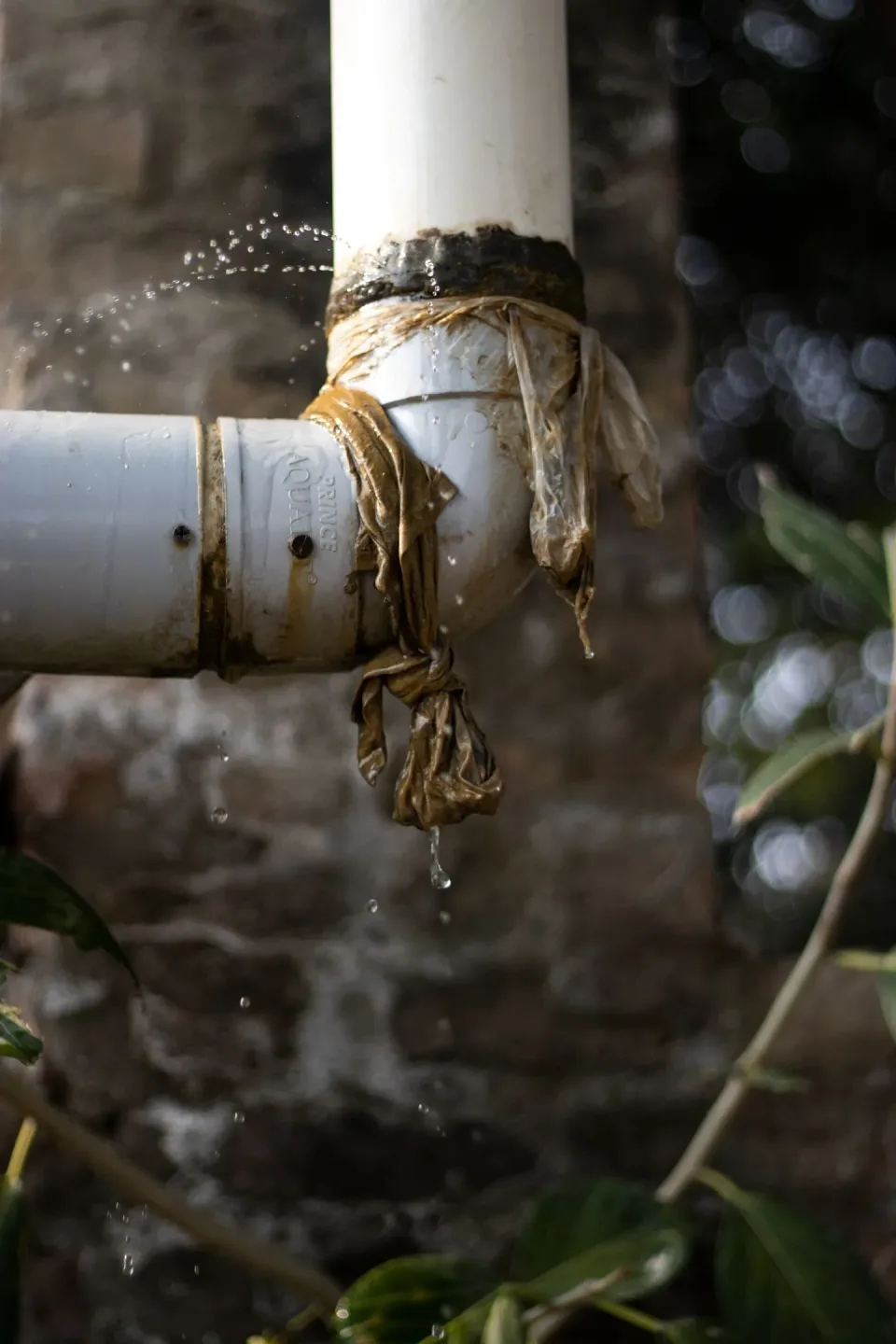
A wet floor, soft ground, or a meter that keeps moving can point to a water line leak. We locate the affected section before opening walls or ground, then explain the repair boundary and access needs.
Spring thaw can reveal lines shifted or damaged as the ground moves, so we check the route and surrounding conditions rather than assuming the visible wet spot is the source. Near the Alaska Native Heritage Center, snowmelt can also raise groundwater around basements and make a leak harder to distinguish from seepage. Coastal humidity and salt air can corrode exposed pipe components, making close inspection important before selecting a repair.
We’ll review the findings and discuss a practical scope for your property. Call (877) 773-0781 to arrange a scope review.
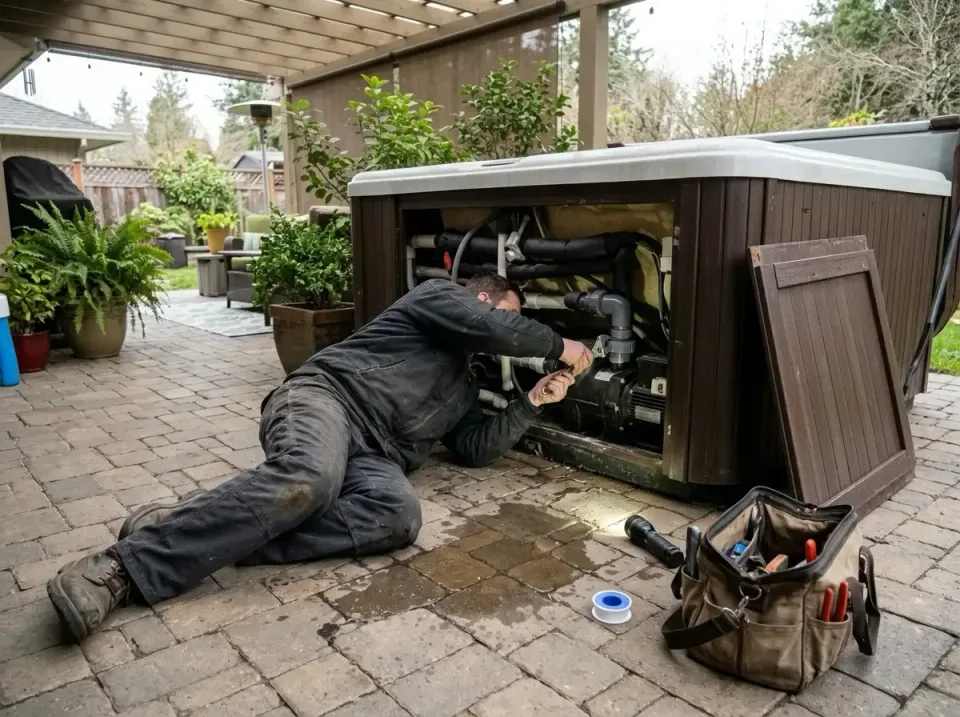
We begin by recording where the leak appears and which fixtures are affected, then ask you to identify the water-line route if you know it. A photo of wet ground or an accessible pipe can help us plan the visit.
Next, we inspect the suspected section and explain whether access will involve an interior opening, an exposed run, or excavation. Heavy snowfall can obstruct outdoor equipment access, so clearing a safe path to the work area can prevent avoidable delays.
Near the Alaska Native Heritage Center, the site and route to the line still determine what equipment can reach the repair point. We’ll confirm the repair scope before work begins and check the repaired section for leakage afterward.
If the line is near the Alaska SeaLife Center, site access details are useful to share when scheduling. Interior summer days can be warm while nights cool quickly, so keep access to the work area clear and share any known timing constraints.
A damp patch near Hatcher Pass may not sit directly above the damaged line, so digging at the surface alone can expose the wrong section. We trace the affected route and define the repair boundary before disturbing the ground.
At properties reached through routes near Fairbanks International Airport, access and travel logistics can shape how the work is planned; share gate, driveway, and equipment-access limits before scheduling. Around Kenai Fjords National Park, site conditions and line access are just as important to establishing a sensible scope.
Our crew explains what we found in plain language and avoids replacing unaffected pipe simply because it is nearby. For installation requirements, we refer to the applicable Alaska Plumbing Code rather than guessing at a repair detail.
That matters when an improvised fitting or hurried backfill could leave the original problem unresolved. If you want a grounded assessment before opening the ground, Alaska Plumbing Pros can review the line and explain the options.
A leak beneath a finished floor or buried line can take more work to reach than a visible pipe section. The repair range is commonly $400–$3,000; excavation depth, pipe access, and the length of damaged line are major drivers. Final quotes vary by repair scope, equipment, access, and site conditions.
A line near Anchorage 5th Avenue Mall may have different access constraints from one reached along the Kenai River; the landmark is a location reference, not a price rule. Katmai National Park and Preserve represents the kind of remote destination where logistics can affect planning, while long winters increase frozen-pipe and well-system risks that may change what a property needs inspected.
We explain the observed damage and access assumptions before work begins. For a quote matched to the job, call Alaska Plumbing Pros at (877) 773-0781.
Changing Water Pressure
Before: Pressure surges and then fades during use, making water flow hard to predict. The changing pattern can involve the pump, tank, regulator, or water line, so the cause needs to be identified rather than guessed.
After: The technician records pressure readings and checks the relevant system components before recommending a practical repair. After the work, the crew verifies water flow and cycling so the customer can see how the system performs.
Ask whether qualifying field staff hold Alaska journeyman plumber certification and whether the contractor is licensed and insured. Knowing who is responsible for the work helps you understand the provider’s qualifications before agreeing to service.
Work is coordinated from Anchorage across Alaska, and timing depends on location, weather, and parts availability. Ask how those factors affect the schedule and what updates you can expect if access or supplies change.
Ask which checks, repairs, and follow-up verification are included in the proposed scope. A clear explanation helps you compare plans and understand whether the technician will check the relevant pump, pressure equipment, and water lines.
Ask which areas or equipment the technician needs to reach, including shutoff valves and the pressure tank. Confirming access needs ahead of service can help avoid delays, especially where snow or indoor storage obstructs equipment.
Ask for the work scope and any service terms in writing before authorizing repairs.
For a water line leak in Alaska, call Alaska Plumbing Pros at (877) 773-0781 to arrange a scope review and discuss seasonal access near the Alaska State Capitol, Ketchikan Creek Street, or Mendenhall Glacier Visitor Center.
Yes, a leak on a shared supply line can reduce flow to multiple fixtures, though the pattern alone does not confirm the source. Note which fixtures are affected and whether the change is constant before arranging an inspection.
Send clear photos of visible moisture, exposed pipe, and the route to the suspected area, plus any known access limits. Near the Anchorage Alaska Railroad Depot, a location reference can help clarify access; Chena Hot Springs is a reminder that remote destinations may require more scheduling detail.
Anchorage plumbing permit requirements should be verified before alterations, and the Alaska Plumbing Code sets applicable installation requirements. Alaska Statutes 08.18 addresses contractor registration, so ask which requirements apply to the proposed repair.
Yes, if the line and work area are accessible, but heavy snow or difficult site access can affect scheduling and equipment placement. Around Nome Airport, sharing current access conditions helps the crew plan a visit and assess the exposed work area.
Denali National Park and Preserve illustrates how remote access can complicate planning; Alaska Plumbing Pros can review your site details for a job-specific quote.
Select a city to find local low water pressure repair providers we cover in Alaska.