Water Pressure Tank Repair
We repair potable-water pressure tanks for homes, checking tank size and connections; replacement commonly runs $800–$2,500, driven by tank size and installation access.
Weak shower flow upstairs can point to a pressure switch that is not starting the pump at the right point, while a regulator can restrict water entering the home. Alaska Plumbing Pros helps Alaska homeowners trace the cause; the tank’s air charge also matters because an incorrect setting can leave too little usable water between pump cycles.
Certified professionals across Alaska covering your full service needs.
We repair potable-water pressure tanks for homes, checking tank size and connections; replacement commonly runs $800–$2,500, driven by tank size and installation access.
Booster Pump Repair covers pump diagnostics and component fixes for homes with inconsistent supply; typical repairs run $300–$1,200, depending on parts and diagnostics.
Well Pump Repair covers pump testing and repairs for homes, with replacement costs of $1,200–$4,500 depending on pump depth and type.
We repair leaking water lines for homeowners and contractors, including accessible pipe sections and excavation; repairs commonly run $400–$3,000 depending on pipe access.
Frozen Pipe Repair for Alaska homes includes locating and safely thawing frozen pipe sections; access, pipe material, and any split line affect the job scope.
We repair residential pressure regulators, checking valve condition and system readings; access and regulator size shape the job, typically $150–$400.
We diagnose sudden household pressure drops, testing flowing and static readings and system controls. Typical diagnostic visits run $100–$300, depending on testing and travel.
We repair or replace household shutoff valves, including accessible copper and PEX connections; typical jobs run $150–$500 depending on access and valve condition.
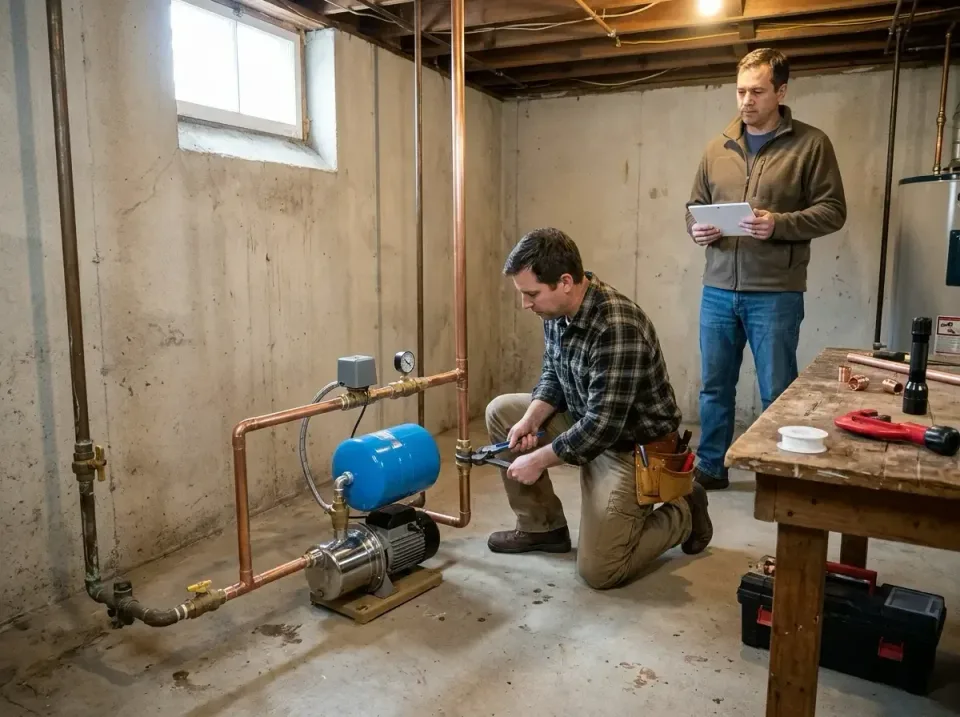
Get a practical pressure diagnosis shaped by Alaska’s water systems and service conditions.
Alaska System Experience
The company grew from plumbing work around Anchorage, where well pumps, pressure tanks, and frozen lines are familiar parts of the job.
Clear Repair Plan
Technicians check the pump, pressure switch, tank, regulator, and water lines, then explain what they find. You get a practical repair plan before work proceeds, rather than a guess about the cause.
Location-Aware Scheduling
Service is coordinated from Anchorage, with scheduling across Alaska based on location, weather, and parts availability. The team can explain how those conditions affect timing for your area.
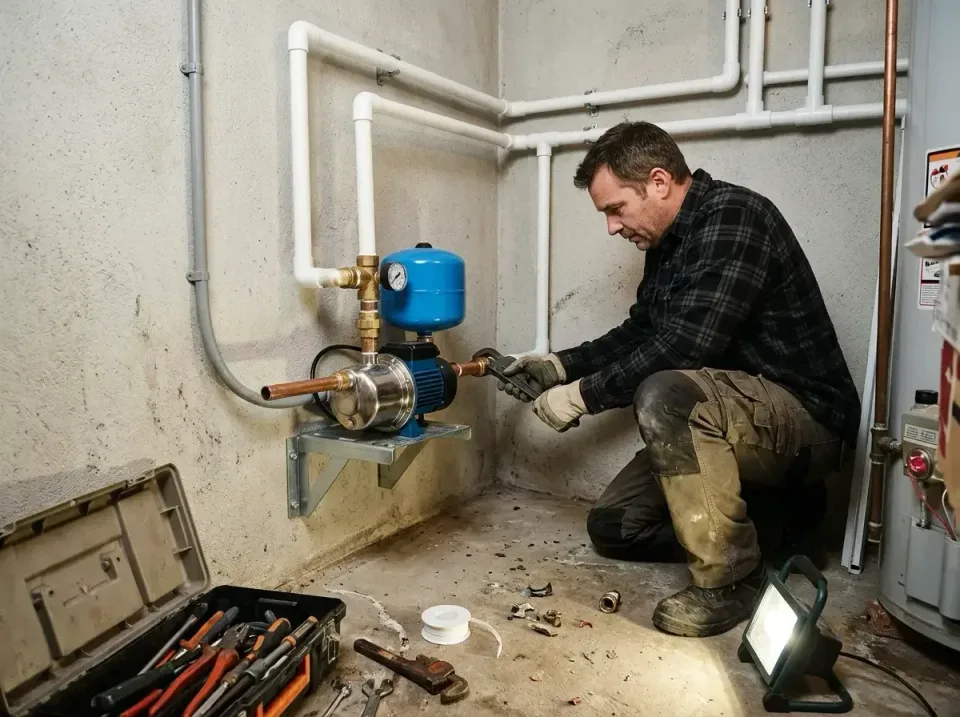
Near the Anchorage Museum, a pressure complaint in a home on a private well calls for system checks, not a guess at the fixture. Our crew tests the source and traces the flow before recommending Low Water Pressure Repair.
Alaska well records may be available through state databases; a record can help frame a well’s history, but it does not replace testing the equipment on site. Cut-in pressure is the point at which the pump should start replenishing the system, and a setting that does not match the equipment can affect service. Well pump repair prices in Alaska depend on factors such as pump type, depth, and access, so we inspect before preparing a scope.
We explain what we find and offer an itemized quote for the work proposed. Call Alaska Plumbing Pros at (877) 773-0781 to discuss a pressure problem and arrange a scope review.
Corrosion on exposed fittings is a visible sign to pay attention to. Coastal humidity and salt air can speed up corrosion in Alaska, so note where it appears and ask a plumber to assess affected plumbing before it worsens.
Water around a pressure tank or nearby plumbing deserves attention, even if fixtures still seem to work. Note whether the area stays damp and where moisture appears; a technician can inspect the equipment and connected lines.
Spring thaw can expose shifting or damaged water lines, while snowmelt may raise groundwater around basements. It is a useful time to have pressure equipment and accessible lines checked if thaw conditions reveal changes near your water system.
Alaska’s summer temperatures vary widely, and remote access can still depend on local conditions. Arrange a pressure assessment when travel and parts availability align, especially if exposed equipment or lines need attention before colder weather returns.
Fall is a practical time to assess well-system components and exposed piping before prolonged freezing temperatures arrive. A technician can identify repair needs and discuss protection for accessible plumbing as the weather shifts.
Long winters and severe cold increase risks for well systems and frozen lines, while heavy snowfall can obstruct outdoor equipment access. Ask about service timing for your location and keep access to the equipment as clear as conditions allow.
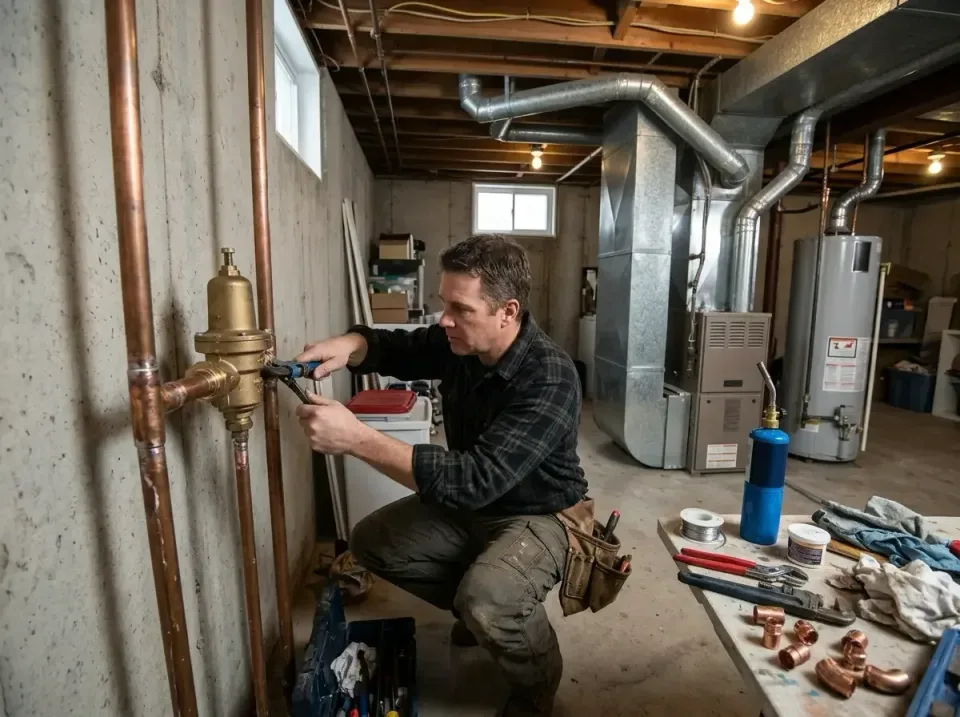
Slow Washer Fill
Before: A washer fills unusually slowly, making a routine laundry cycle take longer. The customer wants to know whether the pressure system or water lines are contributing, rather than assuming the appliance is at fault.
After: A technician checks the pump, pressure switch, tank, regulator, and water lines to find the cause. After repairs, the crew verifies water flow and system cycling, giving the customer a clearer picture of the pressure system’s operation.
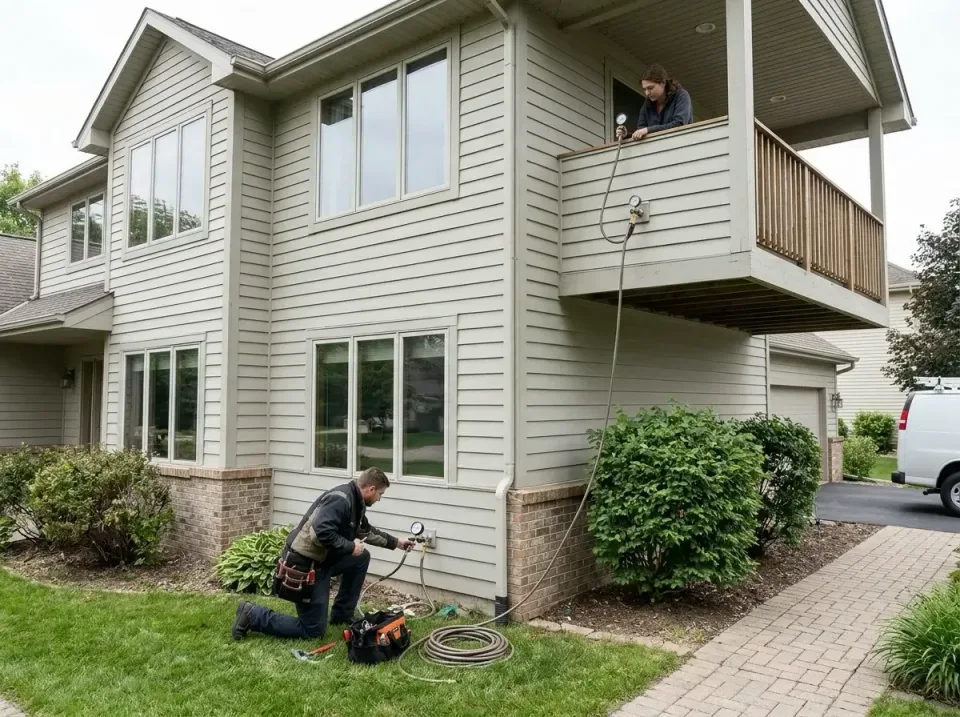
Low Water Pressure Repair is for households whose water system no longer delivers dependable flow at the fixtures. We match the work to the fault.
A pump that cannot maintain supply may need Well Pump Repair; repeated cycling or poor delivery can also call for Water Pressure Tank Repair. When a home needs added pressure after the existing system is checked, Booster Pump Repair addresses that equipment rather than masking an upstream fault.
A sudden change can require Sudden Water Pressure Loss diagnosis, while a cold, exposed line may need Frozen Pipe Repair. If several fixtures are affected, we may inspect for a leak or obstruction and recommend Water Line Leak Repair or Clogged Water Line Repair as indicated.
Material choices matter. PEX tubing and Type L copper tubing each have distinct installation uses, so the existing piping and repair location guide selection. Southcentral winters bring prolonged freezing temperatures. We follow applicable code requirements and can review a job scope before work starts.
When water pressure fails, the cost depends first on what testing finds and how accessible the repair is. Alaska Plumbing Pros provides clear, itemized quotes so homeowners can see the proposed work and its drivers.
Pressure diagnosis commonly runs $100–$300, reflecting testing and travel. Replacing a pressure switch may cost $200–$600, with wiring access affecting the work.
A pressure tank replacement is often $800–$2,500; tank size and installation conditions matter, and residential tanks range from 20 to 86 gallons. Booster pump repair commonly falls between $300 and $1,200 depending on parts and diagnostics.
A well pump replacement can range from $1,200 to $4,500, with pump type and well depth shaping the scope.
Common switch settings such as 30/50 or 40/60 psi describe the pump’s start-and-stop thresholds; the correct setting depends on the system. Final quotes vary by repair scope, equipment, access, and site conditions. Call (877) 773-0781 for a quote based on your system.
Reach our Alaska team or ask about coverage in other markets.
Straight answers for customers in Anchorage, AK on pricing, scheduling, and coverage.
Yes, a leaking or failed check valve can let water flow backward and contribute to pump short cycling. A technician can use a pressure gauge and inspect the system to distinguish that fault from a tank or pump problem.
Dynamic pressure is the pressure measured while water flows, so it can reveal a restriction or supply issue that a no-flow reading misses. Comparing readings at the system and fixtures helps identify whether the loss occurs before or within the home’s piping.
No, pressure tank drawdown is the usable water delivered between pump cycles, not the tank’s total storage volume. If the pump cycles rapidly, have the tank and controls checked rather than judging the system by the tank’s label alone.
Yes, a well’s yield can limit how much water is available over time, especially when household demand rises. A system assessment can compare the well’s supply with pump performance and household use before recommending equipment changes.
Write down whether the pump runs, whether the pressure gauge moves, and whether water returns at any fixtures; do not open electrical controls. This information helps the plumber assess pump short cycling, a check valve issue, or a loss of pressure after power returns.
Select a city to find local low water pressure repair providers we cover in Alaska.
Recent low water pressure repair project photos.
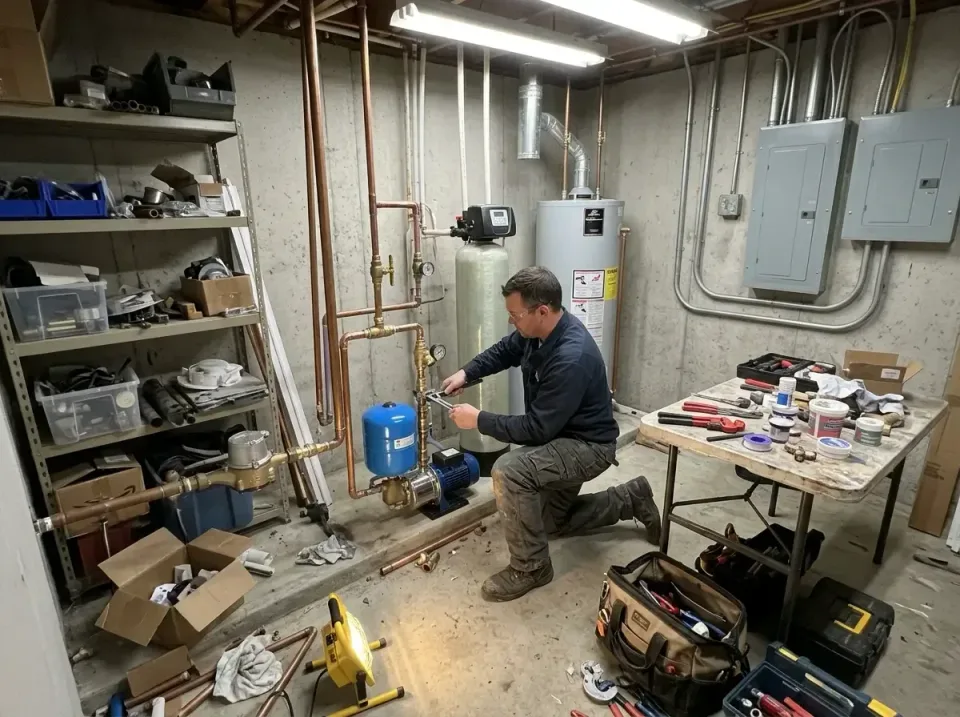
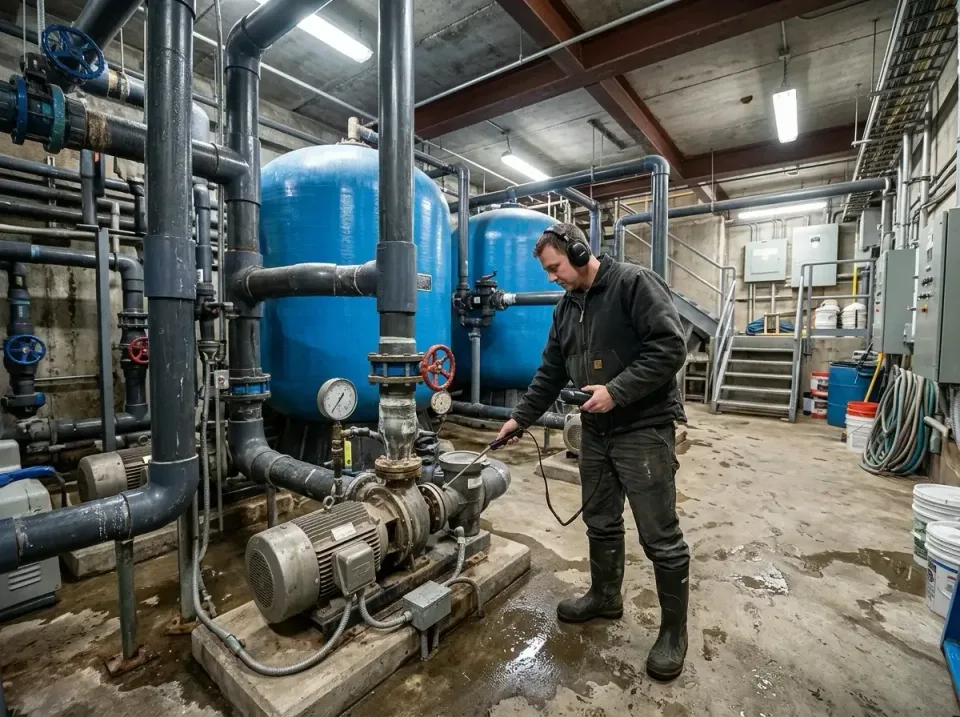
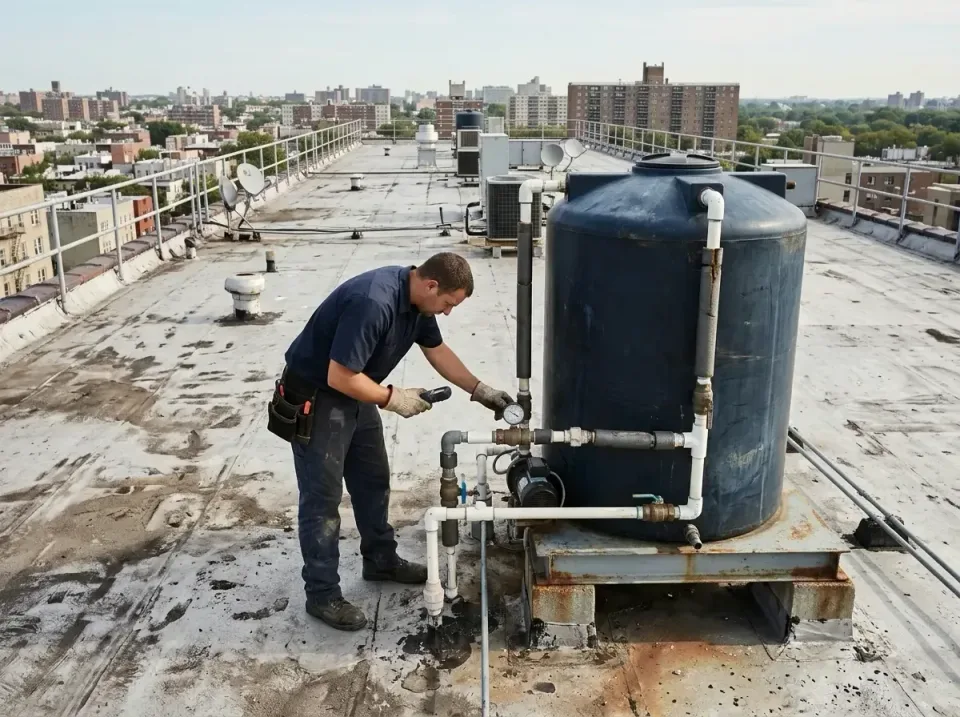
Guides and tips for customers using low water pressure repair services.
Learn why faucet flow weakens when another fixture runs, how to distinguish pressure-system trouble from a local restriction, and when Alaska homeowners should call a plumber. R...
Expert TipLearn how tank, switch, and pump problems can cause repeated well cycling in Alaska, what to check safely, and when to call a plumber. Read our guide.
Expert TipFind out why a washer fills slowly in Alaska, what you can safely inspect, and when to get help with pressure diagnosis. Read our guide.
Expert TipLearn why water flow rises then weakens in Alaska homes, what pressure checks can reveal, and when a plumber should inspect the system. Read our guide.
Expert TipRead this helpful guide.
Expert TipLearn how to compare pump cycling, weak flow, and control symptoms before replacing a well pressure switch in Alaska. Read our guide.