Water Pressure Tank Repair
We repair potable-water pressure tanks for homes, checking tank size and connections; replacement commonly runs $800–$2,500, driven by tank size and installation access.
A shallow-well pump that loses prime can leave taps sputtering or stop water delivery altogether. Alaska Plumbing Pros repairs shallow-well systems across Alaska, accounting for Southcentral’s prolonged winter freezes; near Ted Stevens Anchorage International Airport, travel and site access can affect scheduling, while University of Alaska Anchorage homeowners should keep exposed pump piping protected from freezing.
Browse all service options available across Alaska and choose the right fit for your project.
We repair potable-water pressure tanks for homes, checking tank size and connections; replacement commonly runs $800–$2,500, driven by tank size and installation access.
Booster Pump Repair covers pump diagnostics and component fixes for homes with inconsistent supply; typical repairs run $300–$1,200, depending on parts and diagnostics.
Well Pump Repair covers pump testing and repairs for homes, with replacement costs of $1,200–$4,500 depending on pump depth and type.
We repair leaking water lines for homeowners and contractors, including accessible pipe sections and excavation; repairs commonly run $400–$3,000 depending on pipe access.
Frozen Pipe Repair for Alaska homes includes locating and safely thawing frozen pipe sections; access, pipe material, and any split line affect the job scope.
We repair residential pressure regulators, checking valve condition and system readings; access and regulator size shape the job, typically $150–$400.
We diagnose sudden household pressure drops, testing flowing and static readings and system controls. Typical diagnostic visits run $100–$300, depending on testing and travel.
We repair or replace household shutoff valves, including accessible copper and PEX connections; typical jobs run $150–$500 depending on access and valve condition.
Clear clogged residential water lines and inspect accessible pipe sections; typical jobs run $250–$1,500, with price driven by blockage and access.
We repair well pressure switches for homeowners, including switch and wiring access; typical replacement runs $200–$600, depending on access.
Goulds Well Pump Repair covers residential pump diagnosis and component repairs; access, pump depth, and parts availability shape the job cost.
We repair residential water softeners, including control and resin-bed issues; diagnostic work is $100–$300, depending on testing and travel.
Sediment Filter Replacement clears packed grit from residential filter housings; typical cartridge jobs run $150–$450, depending on filter size and access.
Air-in-line diagnosis and repair for Alaska homes, including accessible water-line checks; typical service runs $150–$500, depending on access and repair scope.
Submersible pump repair for Alaska homes includes well-depth and pump checks; replacement work typically runs $1,200–$4,500, depending on depth and pump type.
Grundfos Booster Pump Repair in Alaska: diagnose pump faults, inspect controls, and repair components. Call (877) 773-0781 for a scope review.
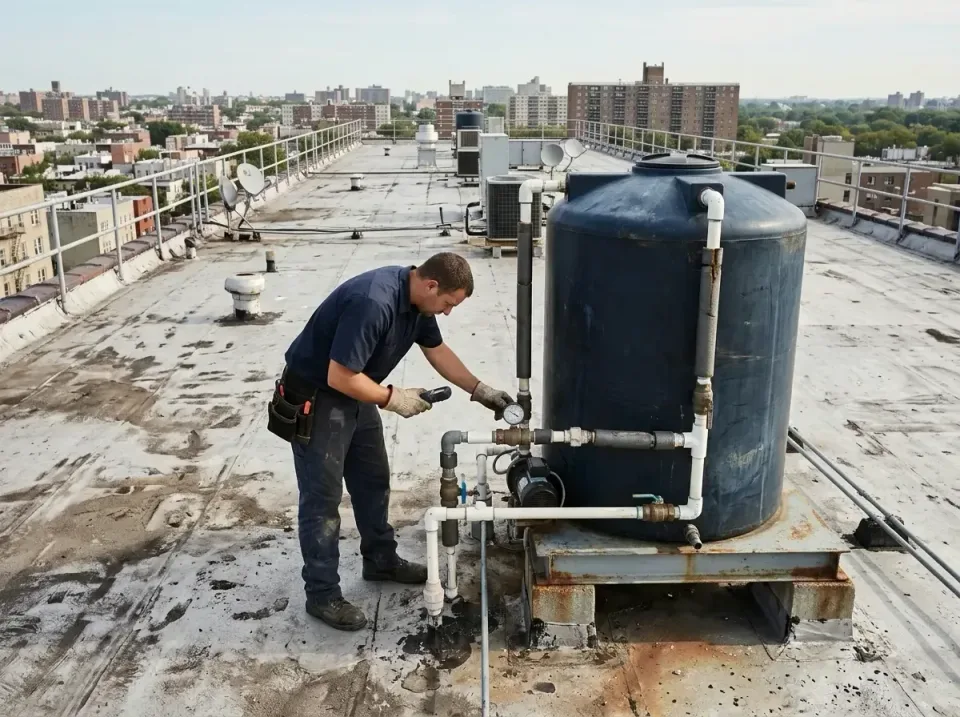
A shallow-well pump that runs without restoring flow may have lost prime, developed a valve fault, or be drawing water faster than the well can supply it. We start with the pressure gauge, pump operation, and accessible suction-side connections before recommending repair; pump sizing depends on well yield and vertical lift, not guesswork.
Near the Anchorage Alaska Railroad Depot, travel and equipment access can affect how we plan a visit. The Anchorage Museum is a useful city reference, but homes around it still need site-specific assessment; Chena Hot Springs is a reminder that Alaska properties span very different service conditions, so we do not assume one repair fits every system.
We explain what testing shows and review the repair scope before work begins. For a shallow-well pump assessment, call (877) 773-0781.
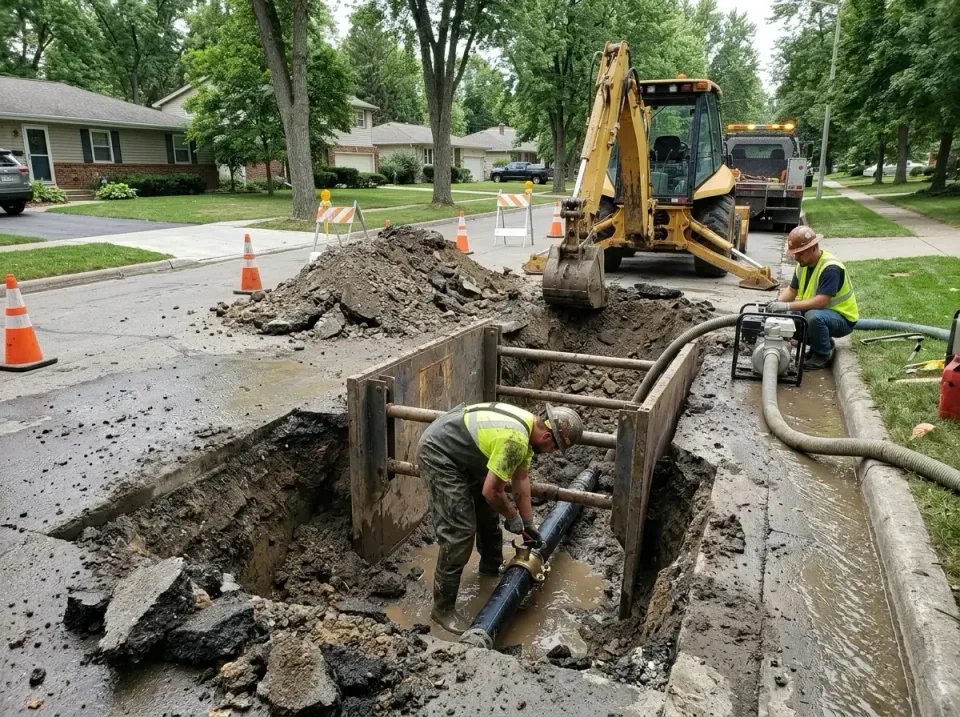
We begin by confirming the well and pump setup, then record pressure with fixtures closed and while water is flowing. Those readings differ: static pressure is not the same as dynamic pressure, so a single gauge reading can miss the fault.
Next, we check the pump, suction line, foot valve, and check valve for conditions that can interrupt prime. Freeze-thaw cycles stress buried pipes and foundations, so we ask whether the trouble followed thawing or ground movement before narrowing the inspection.
High winds can damage exposed plumbing components; tell us if outdoor equipment or covers appear shifted. In Interior Alaska, extreme winter cold also makes the location and protection of exposed components important to the repair plan.
We explain the findings and confirm the scope before making an agreed repair, then run the system and check its operation. Near Juneau Downtown Historic District, access and site conditions can differ from a remote property near Prudhoe Bay, where logistics may shape scheduling. For background on well-system symptoms, read our Alaska Well Pump Cycling guide.
A homeowner along the Alaska Highway may find that a pump runs but does not restore water, then be tempted to adjust wiring or replace a valve without testing. That can leave the actual cause untouched.
We check the pump’s operating conditions and water supply before proposing parts. Pump sizing depends on well yield and vertical lift, so choosing equipment by horsepower alone can produce a poor match.
Heavy snowfall can obstruct outdoor equipment access; our crew accounts for clearance and safe access before planning hands-on work. Near the Alaska Native Heritage Center, a city property and a remote well site can call for very different logistics, while Alaska SeaLife Center visitors know coastal travel can also shape a service plan.
We explain what we found in plain language and distinguish a repair from a replacement recommendation. For a second opinion on symptoms, our well pump repair information explains the related system concerns; call when you want the shallow-well diagnosis reviewed.
A shallow-well pump that will not maintain flow can need a focused repair or broader equipment work; the test results determine the scope. A pressure diagnosis is commonly $100–$300, depending on testing and travel.
If replacement is needed, well-pump replacement can run $1,200–$4,500, with depth and pump type driving the work. A pressure-switch replacement may be $200–$600 when switch and wiring access are straightforward, but that is not a stand-in price for every shallow-well repair.
The Anchorage 5th Avenue Mall is a recognizable city reference, but travel beyond central areas can affect service logistics. Tony Knowles Coastal Trail access reminds customers that routes and site access differ across the region; Worthington Glacier likewise marks a very different trip from an urban service call.
Final quotes vary by repair scope, equipment, access, and site conditions. Call (877) 773-0781 for a quote matched to the job.
Call Alaska Plumbing Pros at (877) 773-0781 to review your shallow-well pump issue; spring thaw can expose shifting lines, and seasonal road access may affect remote scheduling.
Yes, spring thaw can expose shifting or damaged water lines that affect a shallow-well system’s ability to draw and deliver water. Note any new wet ground or changed pump behavior, and have the line and pump connection assessed rather than digging near buried piping yourself.
It may, because pressure readings vary between static and flowing conditions and the pump must be checked under demand. A technician can compare those readings and assess well yield and vertical lift before recommending a repair.
Share photos of the pump, pressure gauge, visible piping, and the access route, along with the symptoms and when they occur. Nome Airport is a useful location reference, but seasonal road access can affect remote service scheduling, so include any current travel constraints.
Anchorage electrical permits may be required for pump wiring work, so verify requirements before alterations. Applicable Alaska Plumbing Code installation requirements also matter; our crew can identify the work scope and advise what should be checked before changes begin.
Yes, if the shallow-well pump repeatedly starts and stops, the visit can include checking pressure behavior and the pump’s operating conditions. Near Pioneer Park, as elsewhere in Alaska, a technician should assess the specific well setup; Southeast Alaska’s maritime, rainy climate can also make access and equipment exposure relevant.
Select a city to find local low water pressure repair providers we cover in Alaska.