Water Pressure Tank Repair
We repair potable-water pressure tanks for homes, checking tank size and connections; replacement commonly runs $800–$2,500, driven by tank size and installation access.
A pressure regulator that sticks can make taps surge or leave them weak, even when the supply is steady. Alaska Plumbing Pros handles pressure regulator repair across Alaska, tracing the fault to the regulator before recommending work.
Browse all service options available across Alaska and choose the right fit for your project.
We repair potable-water pressure tanks for homes, checking tank size and connections; replacement commonly runs $800–$2,500, driven by tank size and installation access.
Booster Pump Repair covers pump diagnostics and component fixes for homes with inconsistent supply; typical repairs run $300–$1,200, depending on parts and diagnostics.
Well Pump Repair covers pump testing and repairs for homes, with replacement costs of $1,200–$4,500 depending on pump depth and type.
We repair leaking water lines for homeowners and contractors, including accessible pipe sections and excavation; repairs commonly run $400–$3,000 depending on pipe access.
Frozen Pipe Repair for Alaska homes includes locating and safely thawing frozen pipe sections; access, pipe material, and any split line affect the job scope.
We diagnose sudden household pressure drops, testing flowing and static readings and system controls. Typical diagnostic visits run $100–$300, depending on testing and travel.
We repair or replace household shutoff valves, including accessible copper and PEX connections; typical jobs run $150–$500 depending on access and valve condition.
Clear clogged residential water lines and inspect accessible pipe sections; typical jobs run $250–$1,500, with price driven by blockage and access.
We repair well pressure switches for homeowners, including switch and wiring access; typical replacement runs $200–$600, depending on access.
Goulds Well Pump Repair covers residential pump diagnosis and component repairs; access, pump depth, and parts availability shape the job cost.
We repair residential water softeners, including control and resin-bed issues; diagnostic work is $100–$300, depending on testing and travel.
Shallow Well Pump Repair covers pump, foot-valve, and check-valve faults for private-well homes; access, pump type, and well depth shape the job cost.
Sediment Filter Replacement clears packed grit from residential filter housings; typical cartridge jobs run $150–$450, depending on filter size and access.
Air-in-line diagnosis and repair for Alaska homes, including accessible water-line checks; typical service runs $150–$500, depending on access and repair scope.
Submersible pump repair for Alaska homes includes well-depth and pump checks; replacement work typically runs $1,200–$4,500, depending on depth and pump type.
Grundfos Booster Pump Repair in Alaska: diagnose pump faults, inspect controls, and repair components. Call (877) 773-0781 for a scope review.
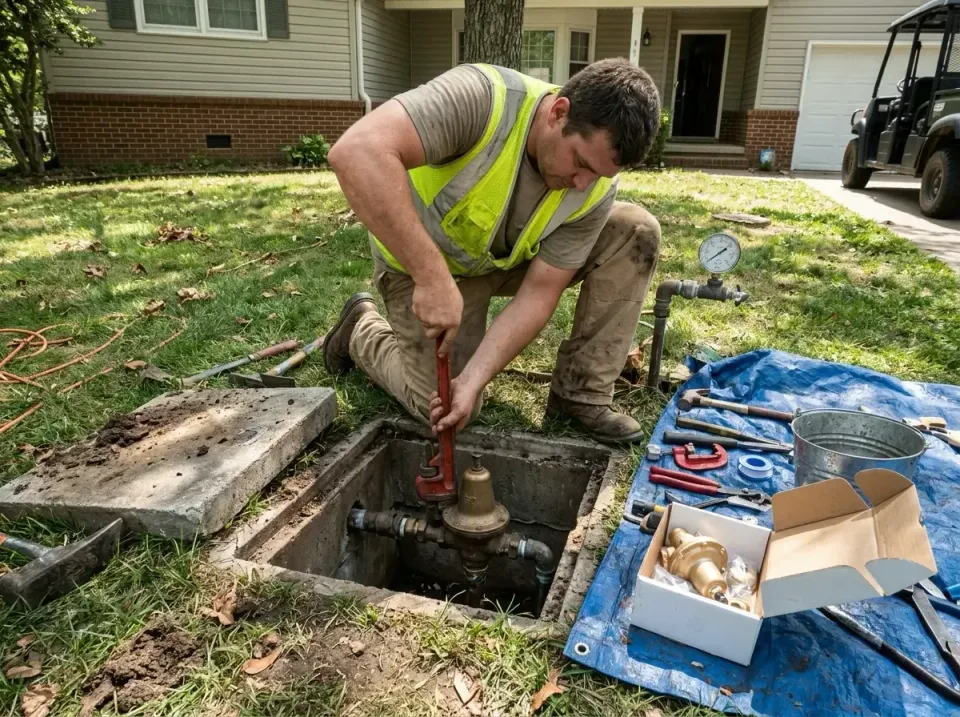
A regulator should temper incoming water pressure before it reaches household fixtures. We inspect the valve body, adjustment mechanism, connections, and nearby gauge, then compare readings with taps closed and running. Static and flowing pressure can differ, so one reading alone may point us toward the wrong repair. A quick adjustment is not always the answer.
Near the Alaska State Capitol, changing water behavior may be noticed during ordinary use, but the building’s presence does not determine a home’s system needs. At Kenai Fjords National Park, remote conditions make it sensible to plan service access ahead; homeowners should share access limits when arranging a visit. On Ketchikan Creek Street, tightly arranged buildings illustrate why clear access around plumbing matters before work begins.
We explain what the inspection shows and review a repair scope suited to the installation. Call (877) 773-0781 to discuss your regulator.
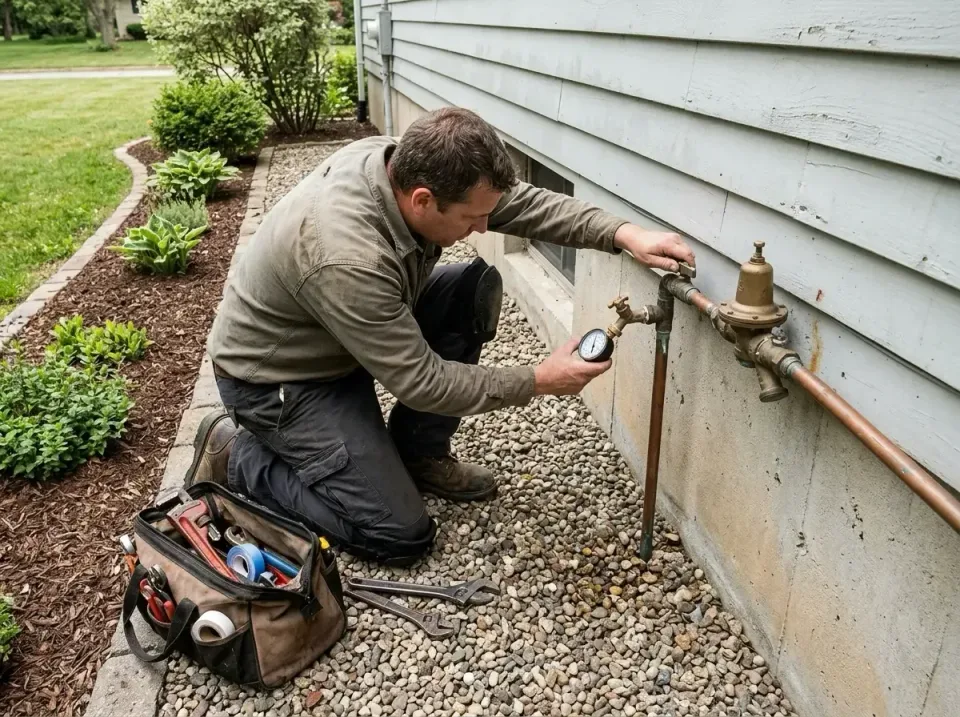
We begin by confirming where the regulator sits and what access the repair requires. Next, we record pressure with the system idle and while fixtures run; readings can change between those conditions, so both help distinguish a valve fault from a broader supply issue.
We then inspect the regulator body, connections, and adjustment point before explaining whether repair or replacement is appropriate. No guesswork.
For a well-fed property, pump sizing depends on well yield and vertical lift, so we avoid treating a regulator as the answer to every pressure problem. Heavy snowfall can obstruct outdoor equipment access; clearing a safe path to exposed plumbing before the visit can prevent delays.
Alaska Highway access can shape travel planning, while the Alaska SeaLife Center is a useful regional landmark for customers describing where they are. If records are available, Alaska well information can add useful context. We confirm the scope with you before starting.
When water pressure surges in a Fairbanks-area home, turning a regulator screw by guess can conceal the cause or leave pressure outside a suitable range. Our crew measures first and explains what the readings mean. Diagnosis comes before replacement.
Interior Alaska experiences extreme winter cold, so an exposed regulator or connection may be harder to reach and may need careful inspection for weather-related damage. Coastal humidity and salt air accelerate corrosion, which can affect exposed metal fittings and make visual checks important before an adjustment. Near Anchorage 5th Avenue Mall, tight indoor service areas can also affect how we plan access; homeowners can clear stored items around the regulator before the visit.
We check the valve and its connections, document the observed pressure, and describe the repair scope in plain language. If alterations are planned in Anchorage, verify plumbing permit requirements before work begins. The Municipality of Anchorage Development Services Department is a source for local requirements; our crew can discuss the plumbing work and access involved.
A regulator that sticks may need a simple adjustment, a repair, or replacement; the inspection determines which scope fits. Cost depends on valve size and type, the condition of connected fittings, access to the installation, and whether surrounding plumbing needs attention. The final quote reflects the work actually required.
A straightforward, accessible residential regulator repair may commonly fall around $150–$400. A hard-to-reach valve, corroded connections, unusual pipe configuration, or replacement work can raise the total because they add labor, materials, or time.
These are broad planning figures, not a fixed quote. Southcentral winters bring prolonged freezing temperatures, which can make access to exposed plumbing more difficult during cold periods. In Southeast Alaska, substantial year-round rainfall may affect outdoor work access and scheduling.
Final quotes vary by repair scope, equipment, access, and site conditions. For a scope review, call Alaska Plumbing Pros at (877) 773-0781; we will discuss what the regulator inspection needs to cover.
Alaska Plumbing Pros states that qualifying field staff hold Alaska journeyman plumber certification. Ask who will handle the work and whether that credential applies to your job, so you understand who is assessing and repairing the pressure regulator.
The company asks customers to confirm well power and water access before dispatch. Ask which areas must be clear, including the pressure tank and shutoff valves, so the technician can reach the system and inspect it safely.
Ask for the proposed work, any parts needed, and the applicable service terms in writing before approving repairs. Confirm how changes to the plan are discussed and what the diagnosis covers, so expectations are clear before the work proceeds.
If you are near the Anchorage Museum, Juneau Downtown Historic District, or Nome Airport, describe your regulator access and location when you call; customers near the University of Alaska Fairbanks or Worthington Glacier should also mention seasonal travel constraints, and Homer Spit helps orient coastal service planning.
Yes, a failing regulator can contribute to a faucet losing pressure while another fixture runs, but the symptom needs testing to confirm the cause. We compare static and dynamic pressure and inspect the regulator rather than adjusting it by guess.
No, avoid turning the adjustment screw until the system readings and regulator condition are checked. A pressure gauge reading while fixtures are flowing can differ from a static reading, so record when the surge occurs and share that detail with the plumber.
Anchorage plumbing permits should be verified before alterations, and the Alaska Plumbing Code sets applicable installation requirements. Ask the Municipality of Anchorage Development Services Department about the specific work planned.
A clear photo of the regulator, nearby piping, and the surrounding access area helps us understand the installation before discussing scope. Include whether pressure changes at one fixture or across the home, and mention any seasonal road access limits.
Yes, but Southeast Alaska’s maritime, rainy climate can affect outdoor access and scheduling, so mention exposed equipment or difficult approaches when arranging service. Seasonal road access can also affect remote service planning; early details help us assess the visit.
Select a city to find local low water pressure repair providers we cover in Alaska.