Alaska System Experience
The team works with well pumps, pressure tanks, frozen lines, and other Alaska plumbing conditions. Technicians check the parts that affect pressure, including the pump, switch, tank, regulator, and water lines.
At Cordova City Park, coastal air is part of daily life; in nearby homes, salt and moisture can corrode exposed plumbing connections and restrict flow. Our team checks the system before recommending a repair.
Eyak and Orca homeowners may notice a shower that weakens upstairs or a washer that takes longer to fill. Snowmelt can raise groundwater around basements, so we look for signs of dampness near accessible water lines rather than assuming the pump is at fault. A quick check helps.
We trace pressure problems from the source through the tank, controls, and fixtures, then explain what we find in plain language.
Call (877) 773-0781 to arrange a visit. We confirm access and dispatch details with you before scheduling service in Cordova.
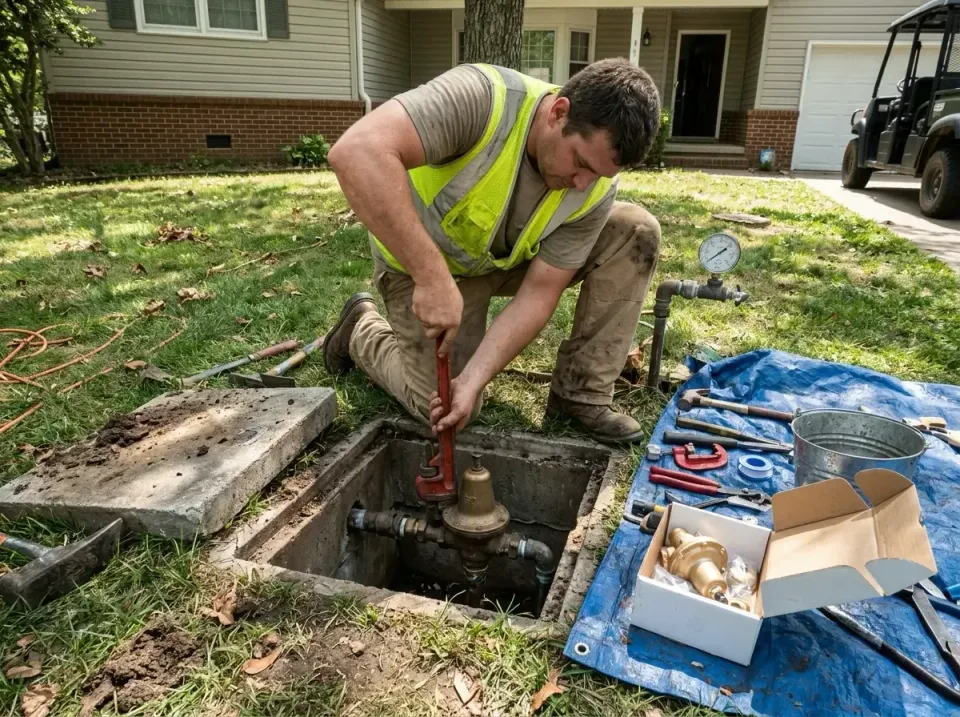
Spring thaw can expose shifting or damaged water lines, so a sudden pressure change deserves a check of visible piping and connections. Near Cordova City Hall, we focus on finding the cause before replacing parts.
High winds can damage exposed plumbing components; a loose or weather-worn connection may show up as reduced flow, and our team checks accessible fittings during diagnosis. Heavy snowfall can also obstruct outdoor equipment, so clearing a safe path to the equipment before a visit can help us inspect it efficiently.
We confirm access, inspect the pressure system, and recommend a repair suited to the home.
A washer that fills slowly or a shower that weakens upstairs can point to a pressure-system problem, not just a fixture. Seasonal road access affects remote service scheduling, so we confirm dispatch timing and equipment access with Cordova customers before the visit.
During prolonged freezing periods, exposed piping and well equipment need careful inspection; our team checks the pressure gauge, pump operation, and visible lines before choosing a repair. You can safely compare whether one fixture or several are affected, without opening equipment or electrical controls. That pattern helps narrow the diagnosis.
For homes in ZIP code 99574, our crew investigates pressure changes and explains whether the issue appears at the source or within the home’s plumbing. Call when the flow stays low or drops across multiple fixtures.
Cordova’s maritime, rainy climate means plumbing connections and equipment may face persistent damp conditions; moisture around a fitting is a reason to inspect for corrosion or a leak. From the Copper River area to homes near town, we begin with the pressure gauge and visible connections.
Freeze-thaw cycles stress buried pipes and foundations, which can make a line issue harder to distinguish from a pump or control problem. Our team compares pressure readings with water flowing, then checks the accessible system before recommending Water Pressure Tank Repair or another appropriate fix. Common switch settings are 30/50 or 40/60 psi, so the right target depends on the installed system rather than guesswork.
If pressure surges and fades, note whether other fixtures are running at the same time. We can use that detail to guide a focused inspection.
Skipping a required approval can leave work uninspected and complicate later repairs or property transactions.
The Safe Drinking Water Act protects public water systems; it does not replace the need to identify whether a property is served by a public system or private well. The EPA Lead and Copper Rule applies to public water systems, so our team considers the water-system context when discussing affected plumbing.
Before dispatch, we confirm well power and water access with the customer. We explain the planned work, check which requirements apply, and help clarify permit questions rather than assuming Anchorage rules govern Cordova.
Get a clear diagnosis and a practical repair plan suited to your water system.
The team works with well pumps, pressure tanks, frozen lines, and other Alaska plumbing conditions. Technicians check the parts that affect pressure, including the pump, switch, tank, regulator, and water lines.
A technician explains the findings and proposed work before repairs begin. You can understand what needs attention and agree on a practical scope instead of guessing which part is causing the pressure trouble.
Service is coordinated from Anchorage and scheduled across Alaska with location, weather, and parts availability in mind. The team also confirms well power and water access before dispatch to help prepare for the visit.
The crew checks the system, explains the cause, and verifies operation after repairs.
Confirm Access
The team confirms well power and water access before dispatch, then coordinates timing around location, weather, and parts availability. You know what access is needed for the visit.
Inspect Components
A technician locates the shutoff valves and pressure tank, then checks the pump, pressure switch, tank, regulator, and water lines. You get a diagnosis based on the system, not guesswork.
Repair and Verify
The crew protects exposed piping from freezing during service and keeps pump circuits off during electrical inspection. After repairs, they verify water flow and pump cycling so you know how the system is operating.
A faucet that spits or sputters can signal air entering the water lines or an issue elsewhere in the supply system. Note which taps are affected and whether the symptom persists, so a technician has useful details to investigate.
Water that looks cloudy or rusty is a visible change worth paying attention to, even if flow seems normal. Avoid assuming pressure adjustments will address it; report when the appearance changes and which fixtures show it.
Heavy coastal rainfall and wet conditions can make it useful to check accessible well-system components and exposed plumbing for moisture or damage. Arrange an inspection if you notice changes in water supply, and keep the work area clear for safe access.
Cool, cloudy weather does not remove the need for reliable water pressure at home. A service visit can identify worn or misadjusted system components and confirm water flow, giving you a chance to address pressure concerns during routine household use.
Frequent marine winds and changing outdoor conditions make exposed piping worth considering before colder weather arrives. Ask a technician to assess accessible lines and pressure equipment if flow has changed, and discuss practical protection for vulnerable piping.
Wet snow and freezing conditions can put exposed water lines at risk and complicate access to a well system. Book service for pressure concerns while explaining any access limitations; the crew can plan around conditions and protect exposed piping during work.
Ask whether the technician assigned to your job has the appropriate credentials for the work. Alaska journeyman plumber certification applies to qualifying field staff, so confirm who will perform the service and what qualifications fit your repair.
The team coordinates from Anchorage and schedules across Alaska based on location, weather, and parts availability. Asking about the schedule helps you understand how those factors may affect timing and what updates to expect.
Ask for the proposed work scope and any applicable service terms in clear language before authorizing repairs.
Request a quote online or contact our Cordova, AK team directly by phone or email.
The pressure may be dropping under demand because of a system, line, or fixture restriction. In Eyak, tell us whether the change affects one tap or several; our team checks the pressure system and explains the likely cause before recommending work.
Notice whether pressure is low at one fixture or throughout the home, and check that an accessible shutoff is fully open. Do not open pump controls or electrical equipment. In Orca, share any recent change you noticed so we can plan the inspection.
We inspect the accessible pressure system, compare readings with water flowing, and check visible connections and controls. We explain what we find and recommend a repair based on the equipment and access at your Cordova property.