Water Pressure Tank Repair
We repair potable-water pressure tanks for homes, checking tank size and connections; replacement commonly runs $800–$2,500, driven by tank size and installation access.
Grundfos Booster Pump Repair in Alaska: diagnose pump faults, inspect controls, and repair components. Call (877) 773-0781 for a scope review.
Browse all service options available across Alaska and choose the right fit for your project.
We repair potable-water pressure tanks for homes, checking tank size and connections; replacement commonly runs $800–$2,500, driven by tank size and installation access.
Booster Pump Repair covers pump diagnostics and component fixes for homes with inconsistent supply; typical repairs run $300–$1,200, depending on parts and diagnostics.
Well Pump Repair covers pump testing and repairs for homes, with replacement costs of $1,200–$4,500 depending on pump depth and type.
We repair leaking water lines for homeowners and contractors, including accessible pipe sections and excavation; repairs commonly run $400–$3,000 depending on pipe access.
Frozen Pipe Repair for Alaska homes includes locating and safely thawing frozen pipe sections; access, pipe material, and any split line affect the job scope.
We repair residential pressure regulators, checking valve condition and system readings; access and regulator size shape the job, typically $150–$400.
We diagnose sudden household pressure drops, testing flowing and static readings and system controls. Typical diagnostic visits run $100–$300, depending on testing and travel.
We repair or replace household shutoff valves, including accessible copper and PEX connections; typical jobs run $150–$500 depending on access and valve condition.
Clear clogged residential water lines and inspect accessible pipe sections; typical jobs run $250–$1,500, with price driven by blockage and access.
We repair well pressure switches for homeowners, including switch and wiring access; typical replacement runs $200–$600, depending on access.
Goulds Well Pump Repair covers residential pump diagnosis and component repairs; access, pump depth, and parts availability shape the job cost.
We repair residential water softeners, including control and resin-bed issues; diagnostic work is $100–$300, depending on testing and travel.
Shallow Well Pump Repair covers pump, foot-valve, and check-valve faults for private-well homes; access, pump type, and well depth shape the job cost.
Sediment Filter Replacement clears packed grit from residential filter housings; typical cartridge jobs run $150–$450, depending on filter size and access.
Air-in-line diagnosis and repair for Alaska homes, including accessible water-line checks; typical service runs $150–$500, depending on access and repair scope.
Submersible pump repair for Alaska homes includes well-depth and pump checks; replacement work typically runs $1,200–$4,500, depending on depth and pump type.
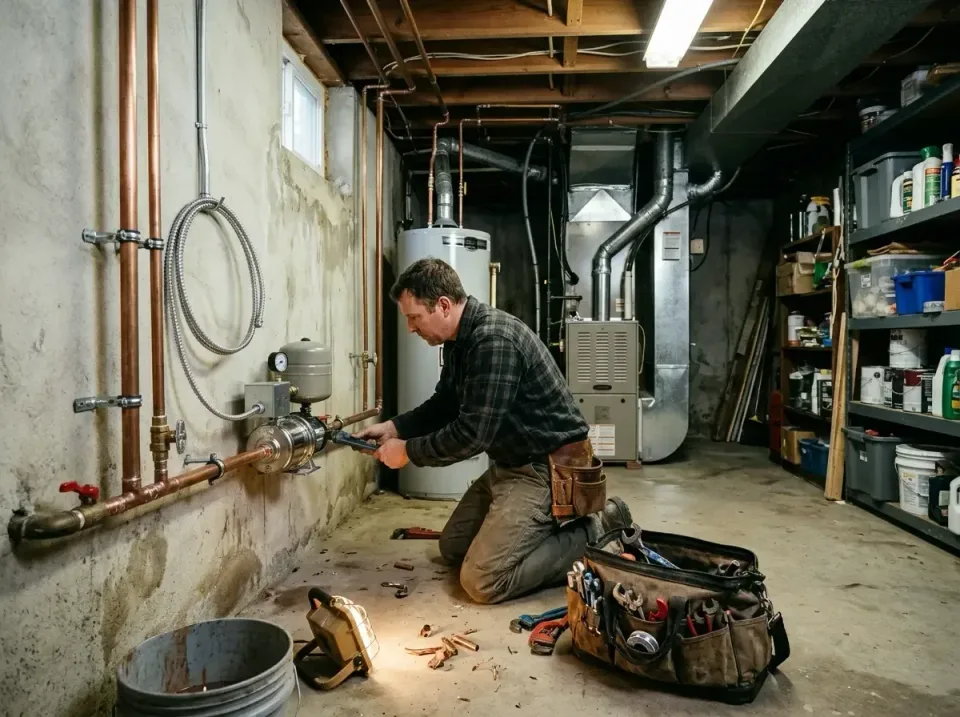
We inspect the installed system and compare pressure readings under flowing conditions before recommending a repair; a static reading alone can hide the fault. Our scope stays with the booster pump and its immediate connections.
At the Anchorage Alaska Railroad Depot, older structures and changing use patterns make reliable water delivery a practical concern; at home, record when pressure changes and which fixtures are affected. Near Chena Hot Springs, seasonal cold is a reminder to keep exposed equipment and piping protected from freezing. Denali National Park and Preserve draws visitors through remote areas, where access and parts logistics can differ from an Anchorage job.
We explain what we find in plain language and outline a repair suited to your equipment. For a scope review, call (877) 773-0781.
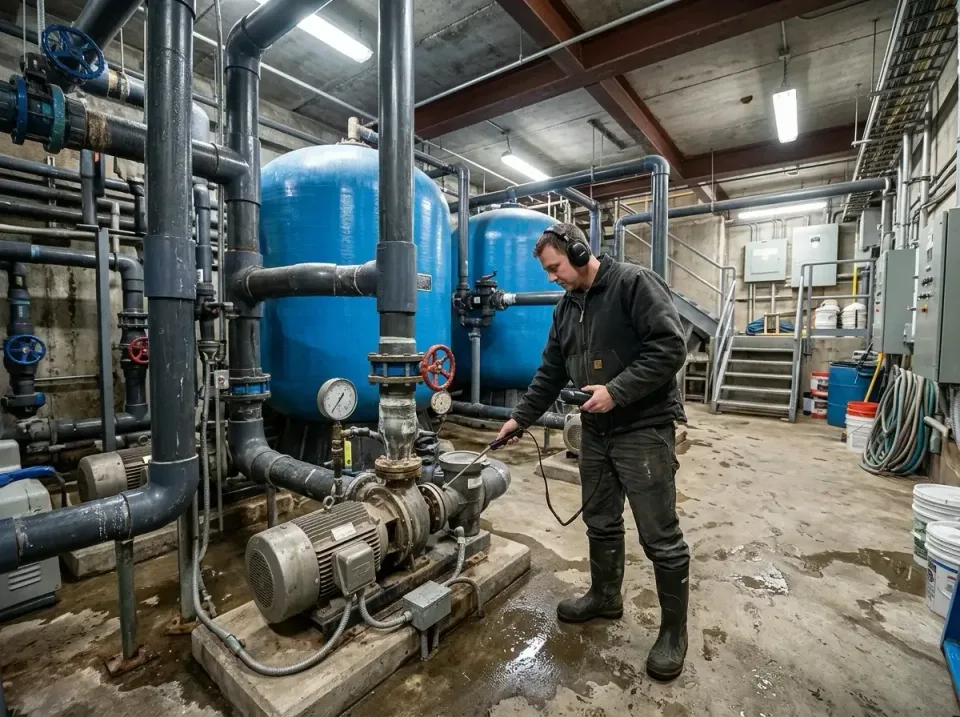
We begin by confirming the pump’s make and configuration, then ask when pressure changes and which fixtures are affected. Clear access to the unit helps us inspect its connections and controls without moving stored items around the equipment.
Next, we compare pressure readings while the system is idle and while water is flowing. Pump sizing depends on well yield and vertical lift, so we consider the existing system rather than guessing from one gauge reading.
Alaska Highway travel can affect planning between communities; heavy snowfall may also obstruct outdoor equipment access, so keep the approach clear when possible. Near the Alaska Native Heritage Center, access to a home still depends on the individual property and current conditions.
Interior summers can bring warm days and cool nights, making seasonal operating patterns useful context when we assess changes. We explain the findings, agree on the repair scope, then test pump operation after the work. A photo of the pump label can help us prepare before scheduling.
Near Anchorage 5th Avenue Mall, property access can be busy, so a clear plan for reaching the equipment matters. At Fairbanks International Airport, exposed equipment serves a different setting than a sheltered indoor installation; our repair assessment accounts for where the pump sits.
We check the unit and its immediate plumbing before proposing parts, because replacing a pump without confirming the fault can leave the same pressure problem in place. A rushed DIY adjustment can also alter system settings without establishing whether the pump is delivering properly.
We explain the observed fault, describe the repair scope, and test operation after the work rather than assuming the repair succeeded. Our licensed and insured plumbing contractor status and qualifying field staff’s Alaska journeyman plumber certification support accountable work. For an unfamiliar control or electrical enclosure, stop at observation and let our crew assess it.
A typical booster pump repair is $300–$1,200; pump parts and diagnostic time move the estimate. Pressure diagnosis may run $100–$300, depending on testing and travel, while a pressure switch replacement can be $200–$600 when wiring access is difficult. These figures are reference ranges, not a quote for a specific home.
Long winters increase frozen-pipe and well-system risks, so the condition and accessibility of exposed equipment may add work to the repair. North Slope communities face permafrost and severe cold, making site conditions and service access important to planning.
In Southeast Alaska, substantial year-round rainfall can complicate access to outdoor equipment. Ketchikan Creek Street is a reminder that building access and working space vary by location; we assess the actual pump area rather than assume a standard setup.
Final quotes vary by repair scope, equipment, access, and site conditions. Contact Alaska Plumbing Pros at (877) 773-0781 for a job-specific scope review.
Rust or corrosion at visible fittings is an early sign worth watching. Coastal humidity and salt air can accelerate corrosion, while damp conditions may leave staining around connections. Keep the area accessible and mention any visible changes when arranging service.
Water near the pump or pressure tank is a warning sign, even if fixtures still seem to work. Look for dampness or a small puddle around exposed equipment, but do not touch electrical components. Report where the moisture appears.
Slow Washer Fill
Before: A washer taking unusually long to fill can point to a broader water-system issue, especially when other fixtures seem normal. The delay may interrupt laundry and leave the cause unclear. A technician can check whether the booster pump or related components need attention.
After: The technician checks the pump, pressure switch, tank, regulator, and water lines to identify the cause. Pressure readings are recorded before switch settings are adjusted, and water flow and pump cycling are checked after repairs. You receive a clear diagnosis and practical repair plan.
Alaska Plumbing Pros coordinates service from Anchorage and schedules across Alaska based on location, weather, and parts availability. Ask what timing is realistic for your community and whether access conditions could affect the visit. Remote locations may require extra coordination.
Ask for the proposed work and any applicable terms in writing before authorizing repairs. Clear terms help you understand the repair plan without relying on assumptions.
Reach our Alaska team or ask about coverage in other markets.
Anchorage Museum visitors and nearby residents alike rely on dependable building services, but at home you can safely note whether the pump has power without opening its electrical enclosure.
At Eagle River Nature Center, seasonal conditions can affect travel planning; share any access limitations when requesting a scope review.
Anchorage electrical permits may be required for pump wiring work, so verify requirements before alterations. Nome Airport is a useful reminder that Alaska service settings vary widely; our crew can identify whether the proposed repair includes wiring work that may require approval.
Yes, a repair may be possible, but Southeast Alaska has a maritime, rainy climate that can affect outdoor access and exposed equipment. Near the Alaska State Capitol, building conditions differ from a coastal installation, so share whether the pump is indoors or exposed when arranging an assessment.
Successful repair means the pump operates as intended during testing and the diagnosed fault has been addressed; it does not mean every plumbing issue is automatically resolved. At Pioneer Park, changing visitor activity highlights how demand can vary; at home, note whether pressure remains stable during ordinary fixture use and tell us if the symptom returns.
Select a city to find local low water pressure repair providers we cover in Alaska.