Clear Findings
Technicians check the pump, pressure switch, tank, regulator, and water lines. You get an explanation of what they find and a repair plan based on the cause, not guesswork.
Along Nikiski’s Cook Inlet shoreline, coastal humidity and salt air can corrode exposed plumbing and fittings, making a pressure drop worth tracing before parts are replaced. We check the system, not just the nearest faucet.
At the Nikiski Community Recreation Center and in nearby homes, pressure symptoms can have different causes. Snowmelt can raise groundwater around basements, so owners should watch for dampness near accessible water lines and note whether several fixtures lose flow together. Our crew compares pressure at a fixture with the system’s operating condition to narrow down the fault.
We serve Nikiski properties, including wood-frame rural homes where cold-weather insulation and access to utility equipment affect how a repair is planned. The Kenai National Wildlife Refuge is another local landmark that grounds our coverage in this community; we schedule Nikiski visits with local access and site conditions in mind.
If your shower weakens upstairs or a washer fills slowly, tell us when the change began and whether other taps are affected.
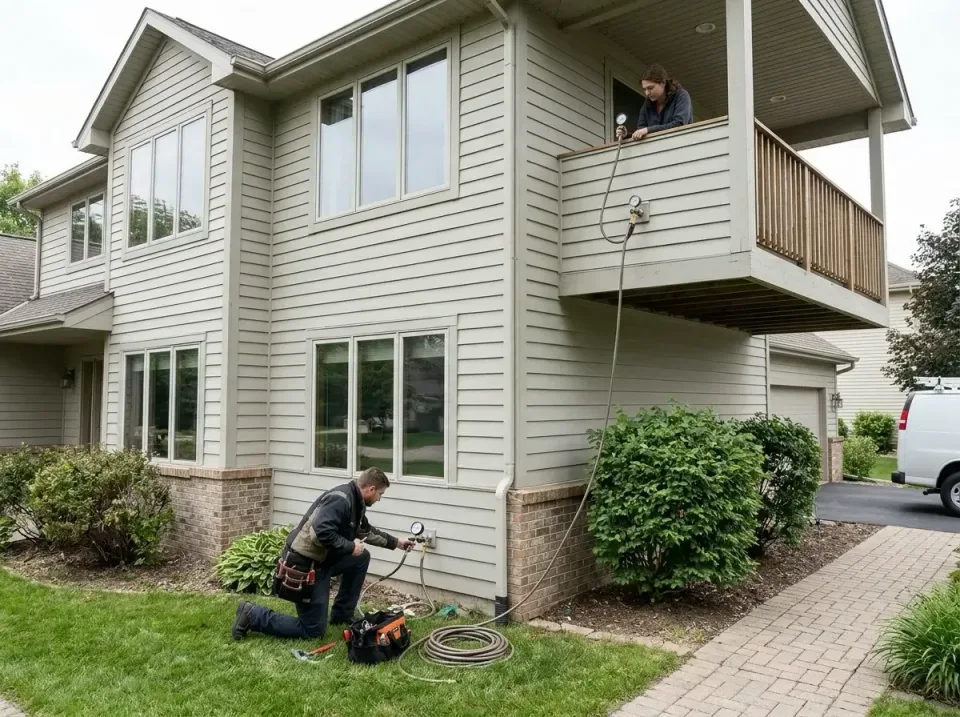
Nikiski’s coastal wind exposure can damage exposed plumbing components, while freeze-thaw cycles put stress on buried pipes and foundations. At Captain Cook State Recreation Area, the coastal setting is familiar; in homes, our crew checks accessible piping and pressure readings before recommending a repair.
Spring thaw can expose shifting or damaged water lines. We look for signs of leakage and test the pressure system rather than replacing a pump or tank based on symptoms alone. That distinction matters. We explain what we find, coordinate scheduling for Nikiski properties, and let customers know what access and water interruption the work may require.
A washer that fills slowly or a faucet that fades while another fixture runs calls for a system check. In Nikiski, seasonal road access can affect when our crew can reach a property, so we confirm the location and equipment access while scheduling.
Southcentral winters bring prolonged freezing temperatures; exposed piping and system components need a careful inspection when pressure changes after cold weather. We compare pressure readings, inspect the potable-water pressure tank, and check whether a water softener may be restricting flow. A safe first check: see whether the drop affects one fixture or several, without opening pump controls.
We serve Nikiski properties in ZIP code 99611. If several fixtures lose flow together, share when it started and whether the problem changes during use; that helps our team plan the diagnostic visit.
Heavy snowfall can obstruct access to outdoor equipment, including a wellhead or lines that need inspection. Before our crew visits a Nikiski property, clear a safe path to the equipment when possible and tell us if snow limits access.
Long winters increase frozen-pipe and well-system risks; a sudden pressure change after cold weather deserves a check of accessible piping and system operation. At the Kenai National Wildlife Refuge, seasonal conditions are part of the surrounding landscape, and local homes also contend with winter access needs. Our team plans the inspection around the equipment’s location rather than assuming it is indoors.
Interior summers can bring warm days and cool nights, so outdoor conditions can shift even within a day. If pressure changes with temperature or time of use, note that pattern for our technician. We use those observations to guide low-pressure troubleshooting in Nikiski.
Rules can depend on the work and the authority having jurisdiction, so Anchorage permit instructions should not be assumed to apply in Nikiski.
The Safe Drinking Water Act protects public water systems, and the EPA Lead and Copper Rule applies to those systems; these are not a substitute for checking requirements that fit a private property. We explain the scope and help identify which approvals may apply before work begins.
After repairs, we verify water flow and cycling so the system’s operation is checked, not simply the replaced part. American Water Works Association guidance can inform water-system practice, but does not itself replace applicable code. Ask us to review the planned work and Nikiski site conditions before scheduling.
Get a clear diagnosis and a practical repair plan for your Nikiski water system.
Technicians check the pump, pressure switch, tank, regulator, and water lines. You get an explanation of what they find and a repair plan based on the cause, not guesswork.
The team works with well pumps, pressure tanks, and lines exposed to Alaska weather. That local experience helps shape repairs around your water system and conditions in Nikiski.
Service is coordinated from Anchorage, with scheduling based on your location, weather, and parts availability. The team confirms well power and water access before dispatch.
The crew checks the system, explains the findings, and verifies water flow after repairs.
Confirm Access
The team confirms well power and water access before dispatch. You can prepare the work area and know what access the technician will need.
Inspect Equipment
The technician locates the shutoff valves and pressure tank, then checks the pump, switch, tank, regulator, and water lines. You get a focused assessment of the system.
Plan the Repair
Pressure readings are recorded before switch settings are adjusted, and pump circuits stay off during electrical inspection. The technician explains the findings and practical repair options.
Check Operation
After repairs, the technician verifies water flow and pump cycling, and protects exposed piping from freezing during service. You can see whether the system is operating as expected.
Thawing conditions can expose vulnerable sections of water line and make spring a useful time to check the system. Ask for an inspection if exposed piping or equipment needs attention after cold weather.
Cool, rainy summers can keep outdoor work areas wet, while coastal winds affect exposed piping. Plan a repair when access is workable, and ask the crew how conditions may affect the service visit.
Fall is a practical time to address pressure equipment and exposed piping before colder conditions arrive. A technician can check the system and protect exposed lines during service.
Cold conditions can make exposed water lines vulnerable, and wind can complicate outdoor access. Arrange an assessment when pressure changes, and ask how the crew will protect piping during the work.
Permit needs depend on the work and local requirements. Ask the provider to explain whether permits apply and who handles them, so responsibilities are clear before work begins.
The team coordinates work from Anchorage and schedules across Alaska based on location, weather, and parts availability. Ask what timing is realistic for your location and current conditions.
The crew needs access to the well power, water supply, shutoff valves, pressure tank, and relevant piping. Confirm what must be clear before arrival to help the inspection proceed safely.
Ask how the agreed scope, any changes, parts availability, and payment terms are documented. Reviewing those details first helps you understand what work is authorized and what happens if plans change.
Request a quote online or contact our Nikiski, AK team directly by phone or email.
A drop at multiple fixtures points to a system-wide issue rather than one faucet. In Nikiski, tell us whether pressure fades during use or changes after cold weather; we inspect the pressure system and accessible piping to identify the cause.
Note which fixtures are affected, when the pressure changes, and whether the problem began after a power interruption or cold spell. In Nikiski, also clear safe access to the wellhead or utility equipment if snow or site conditions allow; do not open pump controls.
Low Water Pressure Repair is also available in these nearby communities across Alaska.